

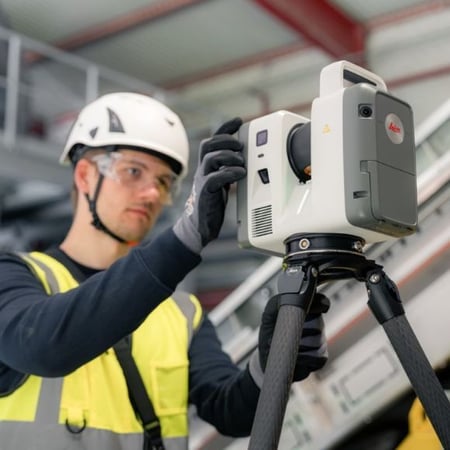
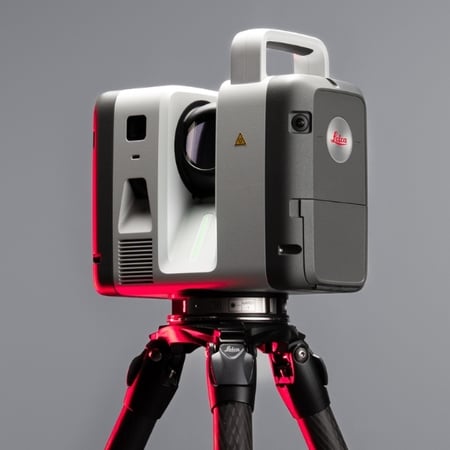
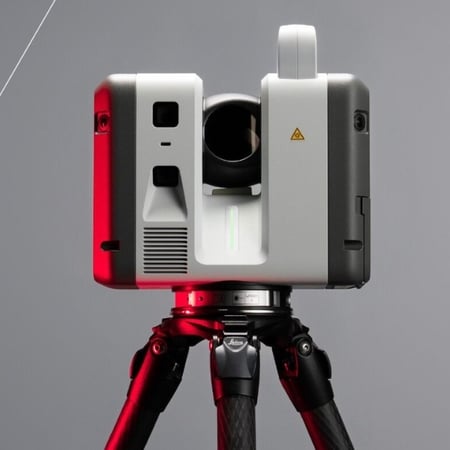
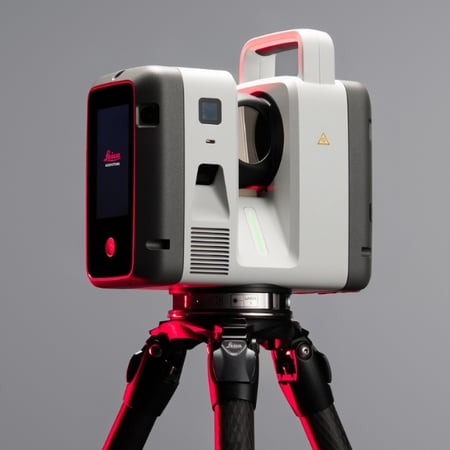
The new Leica RTC series introduces a new dimension in reality capture and a new way of working with 3D laser scanning.
For decades, Leica Geosystems has been the foundation of reality capture
- precision, accuracy and reliability when it has to be right. Today, that foundation opens a new dimension where capture, processing and real-time collaboration happen together.
The next generation of Leica RTC scanners connect superior scanning performance, software and cloud collaboration into a real-time workflow architecture across field, cloud and office, turning individual scans into coordinated project intelligence.
The Leica RTC series is built for teams that need speed without sacrificing trust in the result. Across all three performance levels, the RTC laser scanners help professionals capture high-density 3D data quickly and reliably in demanding environments.
For construction teams, that means documenting existing conditions and tracking progress without losing momentum on site. For surveyors and infrastructure professionals, it means dependable capture across changing conditions and real project pressure.
The outcome is better project control: less rework, more confidence in the data, and a smoother path from the first setup to the final deliverable.
Livelink connects field and office teams in real time, enabling a seamless, cloud-based laser scanning workflow. Learn more about the technology and workflow in the white paper
.png?width=148&height=40&name=DOWNLOAD%20WHITEPAPER%20BUTTON%202025%20(1).png)
Watch this on-demand webinar for a first look at the key innovations, including multi-scanner connectivity Livelink, and hear from the Leica product developers on the complete reality capture workflow from capture to connect to collaborate. A forward‑looking perspective on the RTC platform roadmap and how it supports scalable, future‑ready workflows.


Lennon Bedford
Technical Specialist



Kirsty Mackie
Reality Capture and Autonomous Survey BDM

Thomas Mathey
Survey Technical Support


.jpg?width=1200&length=1200&name=RTC%20Series%20(2).jpg)
.jpg?width=1200&length=1200&name=RTC%20Series%20(1).jpg)